
We Heal: Veterinary Patient Success Stories
March 10, 2026
Discover inspiring patient stories from the LSU Veterinary Teaching Hospital, where expert teams collaborate across specialties to save and improve the lives of animals—from dogs and cats to goats and chickens. Through advanced medicine, innovative treatments, and compassionate care, LSU Vet Med clinicians help patients like Jeaux, Bubbie, Taco, and many others heal and return home to their families.
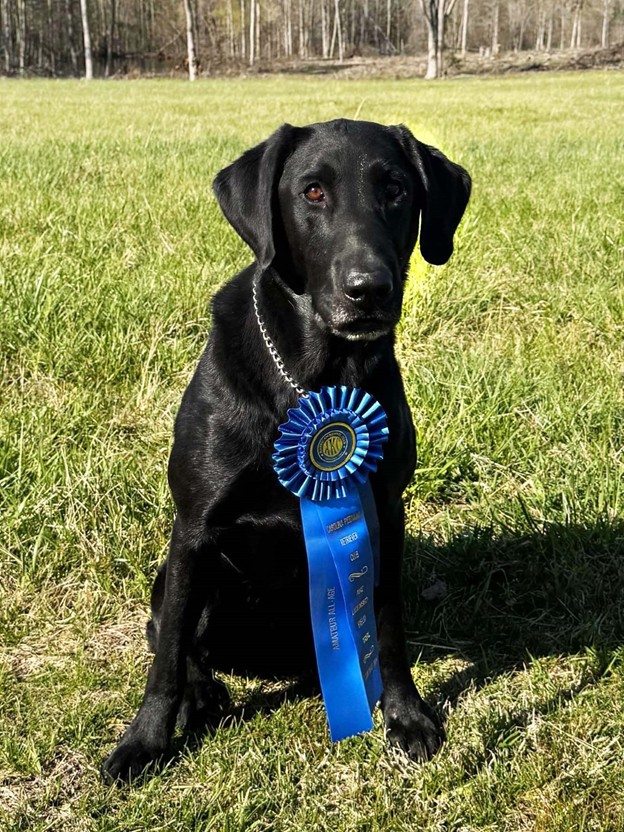
Jeaux
Jeaux
Jeaux, the dog’s journey began when he was diagnosed with pneumonia and was having difficulty breathing. LSU Vet Med’s Critical Care team inserted bilateral chest tubes to remove excess fluid and improve lung function. When a follow-up chest CT showed pockets of trapped fluid inside his lung, Jeaux underwent multiple procedures. Fluid pockets, severe adhesions, and diseased lung and mediastinal tissues were carefully removed. Within days, Jeaux's fluid production significantly decreased, allowing for the removal of his chest tubes. With his breathing stable and energy returning, he went home the following day. "Jeaux has recovered very well. He is a very happy boy, and he acts like a puppy now," his owner said.
Bubbie
Bubbie, an 8-month-old cat, came to LSU Vet Med when she began showing signs of stumbling, lethargy, and decreased appetite. Upon presentation to the LSU Veterinary Teaching Hospital, the Ophthalmology team noted numerous neurological signs, leading to a consultation with LSU Vet Med’s Neurology team, who discovered Bubbie had feline infectious peritonitis (FIP)—specifically the neurological and ophthalmic form.
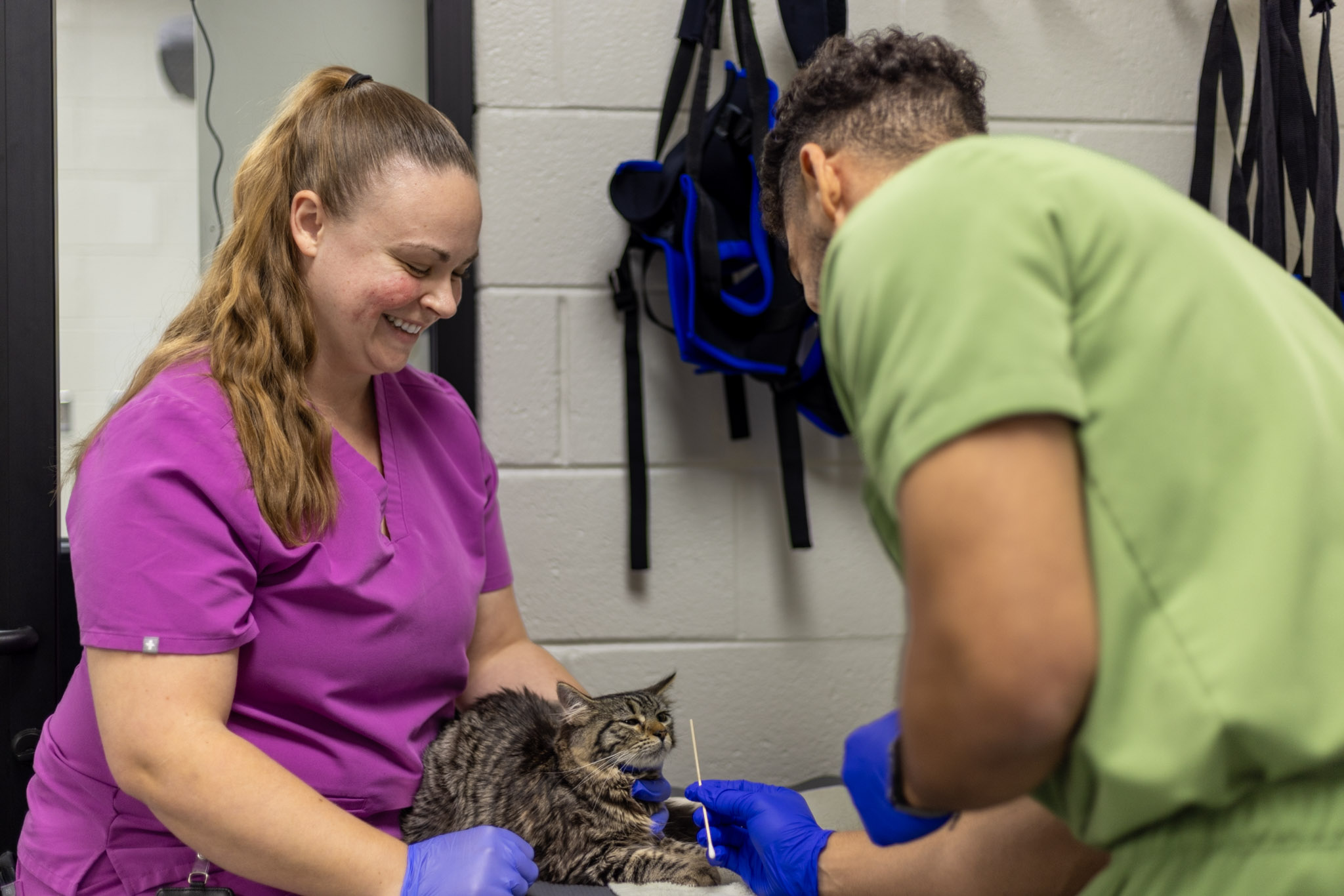
Bubbie
FIP was once considered a death sentence for cats. Thankfully, Bubbie’s condition coincided with a critical advancement in veterinary medicine—the anti-viral GS-441524 was finally widely available, enabling life-saving care. Bubbie began a course of the medication, along with dorzolamide and prednisolone acetate for her ocular symptoms. After just a few days of inpatient care, Bubbie showed signs of neurological improvement and was able to go home. While her ocular lesions appeared to be chronic and likely permanent, her overall prognosis was determined to be very good, with a relapse rate of less than one percent. Thanks to this collaborative approach and the trust placed in our Neurology and Ophthalmology teams, Bubbie’s future looks bright.
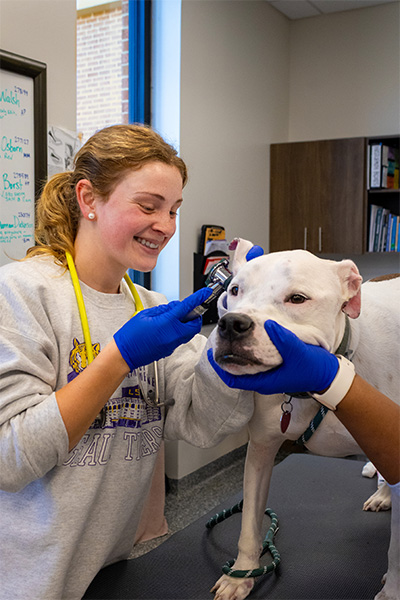
Link
Link
Link, a 2.5-year-old pit bull mix, first arrived at LSU’s Dermatology, Ear, and Allergy Service because he had ulcerative lesions on his paws, pinnae (outer ear,) and oral cavity. Skin biopsy and histopathology allowed our dermatology experts to determine that Link was struggling with erythema multiforme, a skin disorder caused by the body’s own immune system. Link also had elevated liver enzymes, requiring a careful and strategic approach to his treatment. Dermatology consulted with the Small Animal Internal Medicine Service, ensuring a comprehensive approach to his care. Link’s care team implemented a multi-faceted treatment strategy including changes in diet, shampoo, and flea medication, along with multiple medicinal therapies to stop the introduction of secondary infections and to address Link’s liver function.
Within weeks, Link’s owner reported that he was noticeably happier, more energetic, and enjoying an increased appetite, all thanks to the collaboration of LSU’s Dermatology, Ear, and Allergy Service and Small Animal Internal Medicine.
Gidget
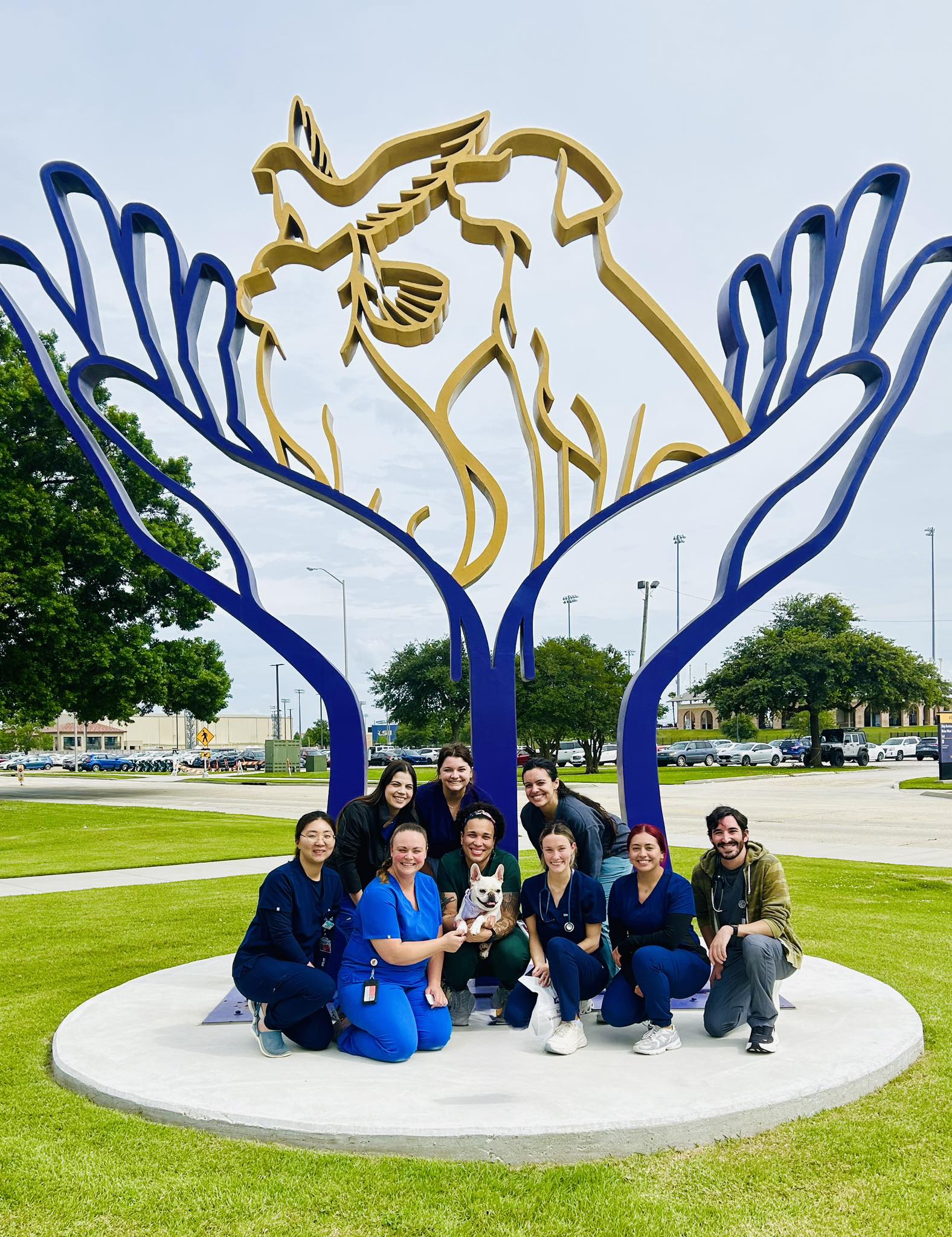
Gidget with the LSU Vet Med Neurology Service team
Gidget, a 9-year-old dog, landed in our Emergency Service in pain with suspected intervertebral disc herniation. She exhibited compulsive circling to the right and a moderate right head turn. On cranial nerve examination by our Neurology team, Gidget had central blindness and had trouble standing. After identifying these neurological deficits, an MRI of the brain was performed by Diagnostic Imaging to further investigate the cause of Gidget’s symptoms. A spinal tap was performed, which confirmed a diagnosis of bacterial meningoencephalomyelitis, a serious bacterial infection of the brain and spinal cord. Gidget was treated with a combination of steroid medication in addition to what we call our “Neuro Trio” of drugs. She slowly improved over the week and became brighter, ambulatory, and her cranial nerve deficits disappeared. While the prognosis of bacterial meningoencephalomyelitis is generally guarded, Gidget beat the odds with the help of her LSU Vet Med care team.
Taco
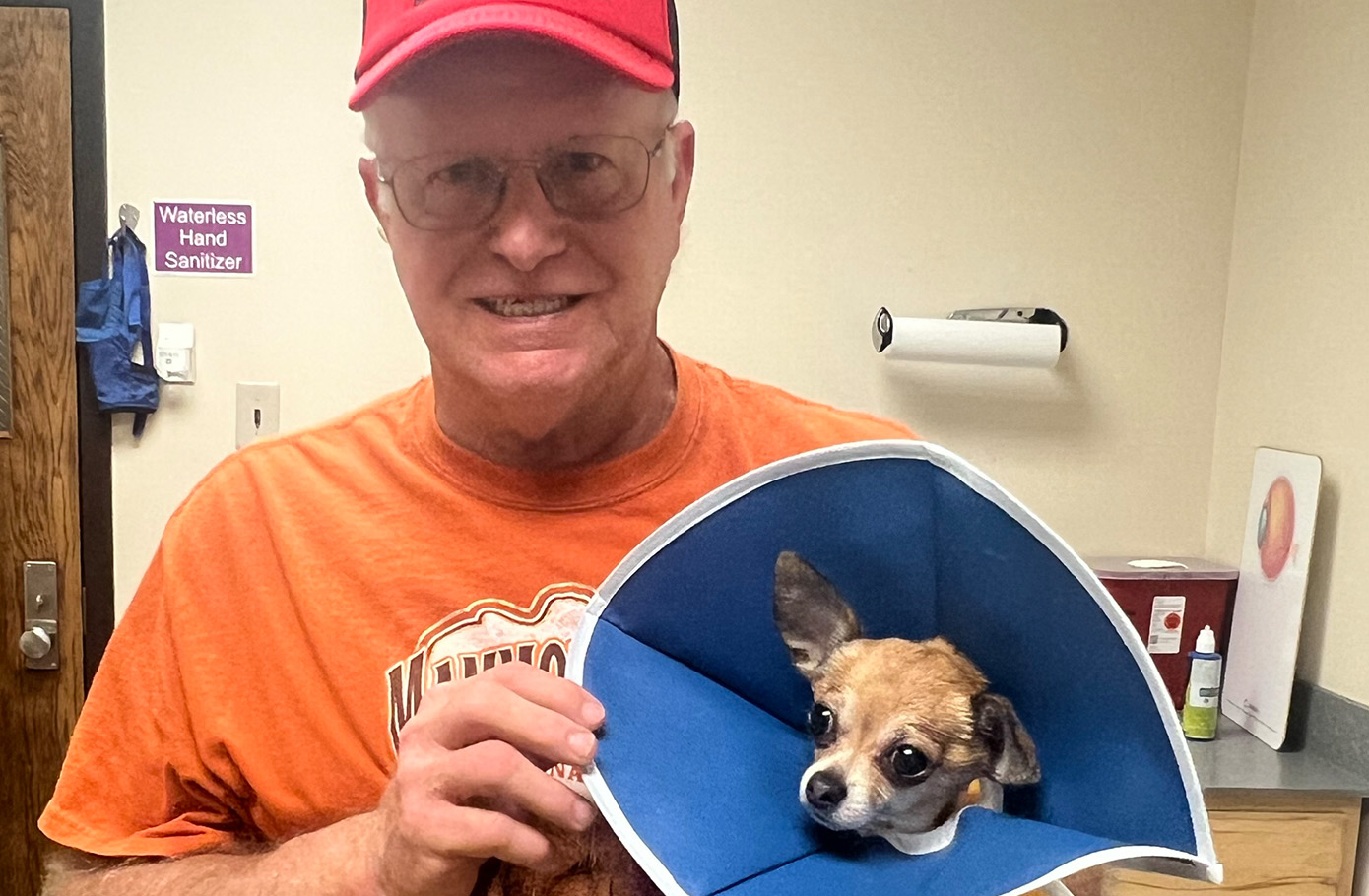
Taco with her owner
Taco, a 4-pound chihuahua from the Lafayette, Louisiana area, came to us after surviving a serious dog attack near his home. He arrived in critical condition with chest and abdominal injuries, requiring immediate blood transfusions and emergency surgery.
Thanks to the incredible teamwork across our hospital—starting in ER with Dr. Hailey Penticoff, stabilization by our Critical Care team (Drs. Tomoe Kadowaki and Nancy Mitropoulou), surgery with Dr. Nimar Gill, anesthesia by Dr. Jeannette Cremer and team, and post-op care from Critical Care (Drs. Karla Fraga and Piyachat Saengsawang) along with our dedicated ICU nurses including Beth and Lacy—Taco pulled through.
Surgery involved extensive chest repair, rib removal, and the loss of one kidney, but Taco never gave up. He got stronger each day, and he’s now at home to continue his recovery with his family. We’re so proud of Taco and the team that made his recovery possible.
Jesse
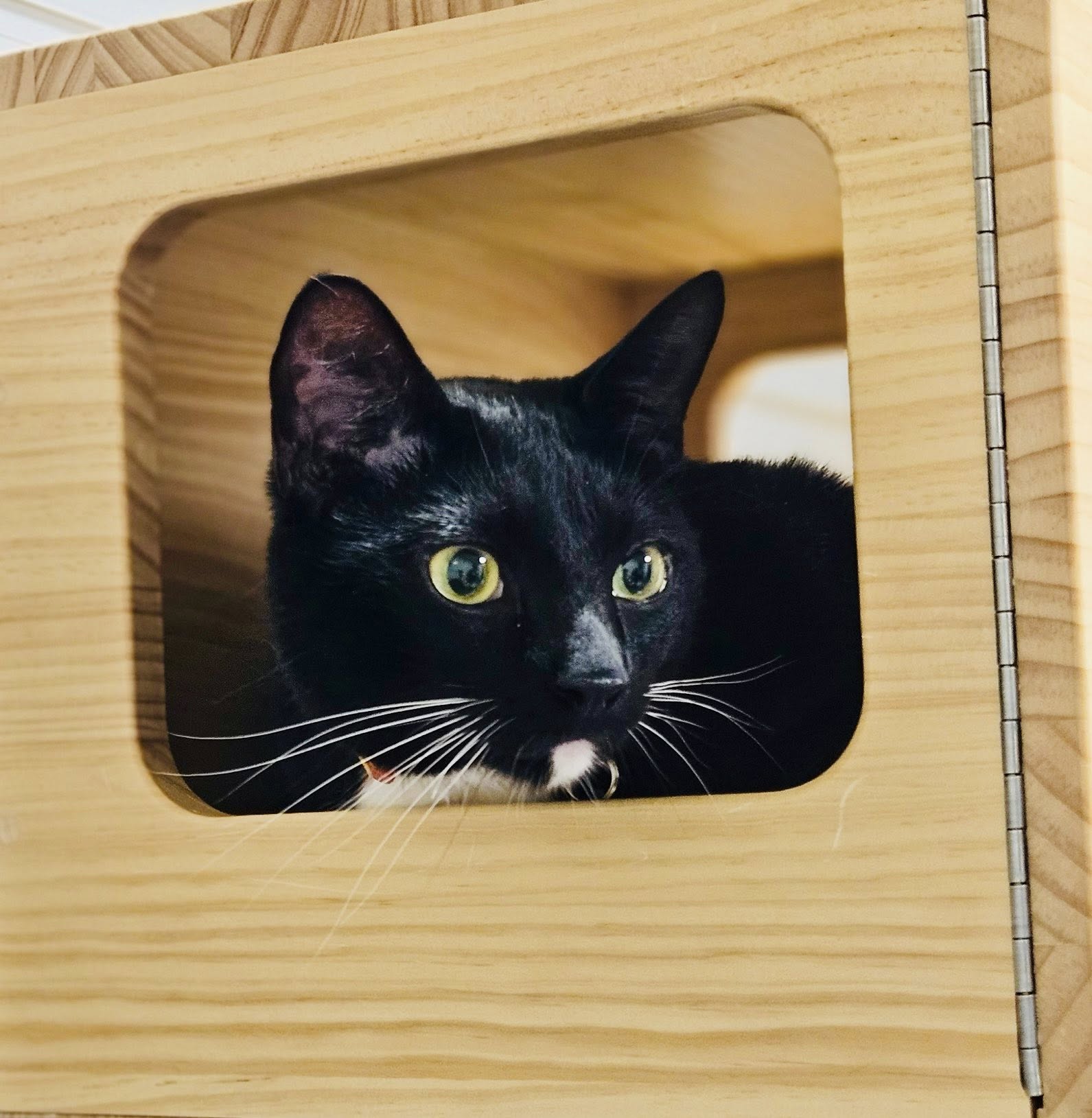
Jesse
Jesse, an indoor cat, was attacked by a dog when he escaped his home—leaving him with facial nerve paralysis. Things looked grim. His owner, Sara, was told he would likely lose his eye, since he could no longer blink or make tears. But hope came in the form of two acupuncture treatments from Dr. Kielyn Scott in our Integrative Medicine service. Incredibly, Jesse began to blink again. Then he started to produce tears. Today, Jesse is back to his old self—bright-eyed and thriving. Sara says the teams in Community Practice (primary care), Integrative Medicine, and Neurology treated Jesse like one of their own. “I knew he was in good hands. He is doing great.”
Cash
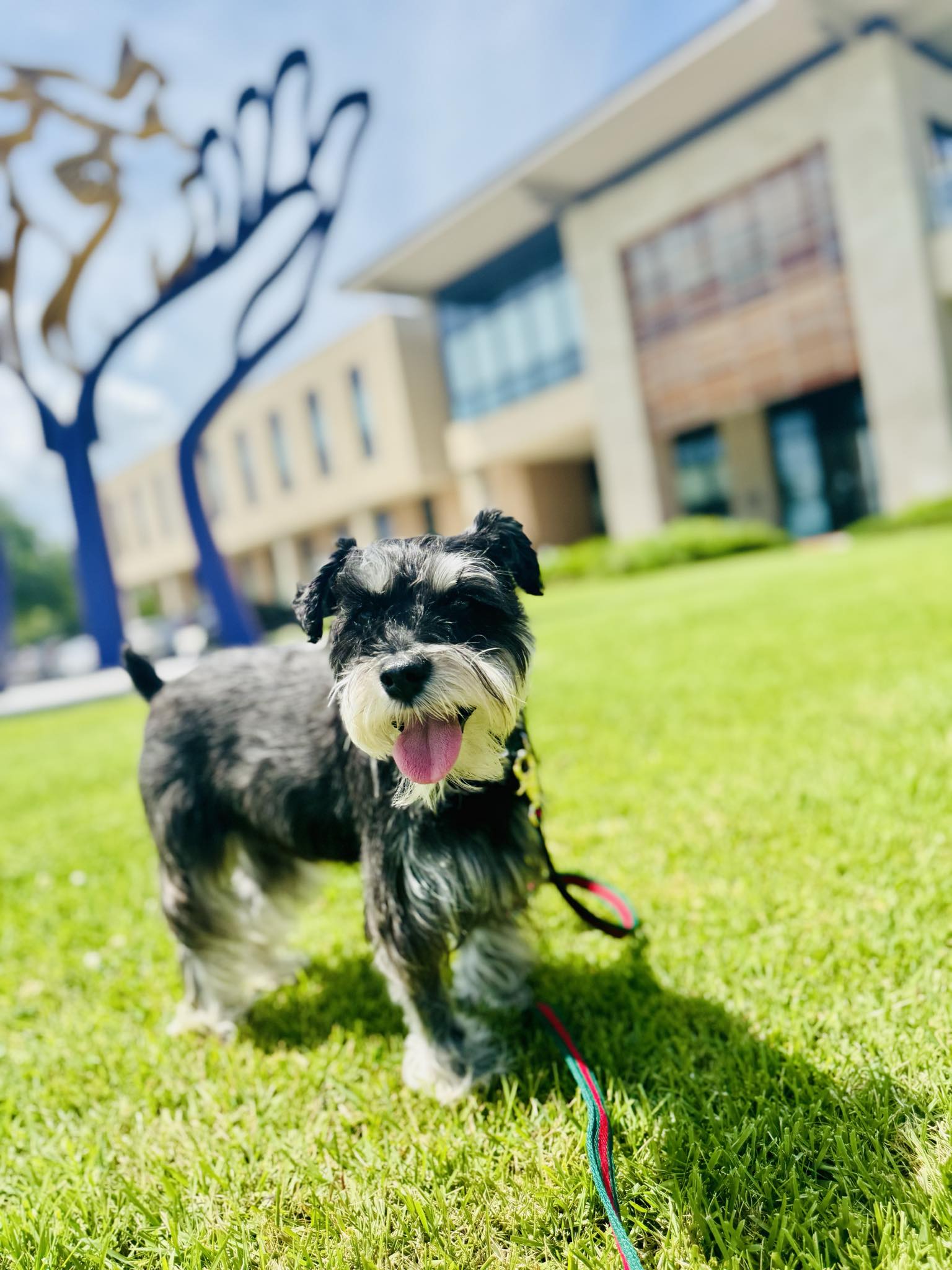
Cash
Cash, the dog, was diagnosed with diabetes in February causing him to become extremely sick. “The stress of the traditional routine—feeding, then giving the shot twice a day, 12 hours apart—was overwhelming,” said his owner, Kelly.
In summer, Kelly brought Cash from Little Rock, Ark., to LSU Vet Med to see Dr. Patty Lathan, an endocrinology specialist. Dr. Lathan switched him to insulin degludec, a human insulin that’s often effective in dogs with just one daily dose.
To monitor Cash’s glucose, the team, including Dr. Jisoo Hong in Small Animal Internal Medicine, used the Freestyle Libre, a continuous glucose monitor designed for humans but increasingly valuable for dogs. “Kelly could tell us how Cash was doing with each dose adjustment. It sounds like he's back to his old self!” Dr. Lathan said.
“His quality of life is so much better—and so is ours,” Kelly shared. “His turnaround has been nothing short of amazing. Cash is once again the bouncy, wildly playful dog he was before diabetes. We all have our lives back.”
Firecracker
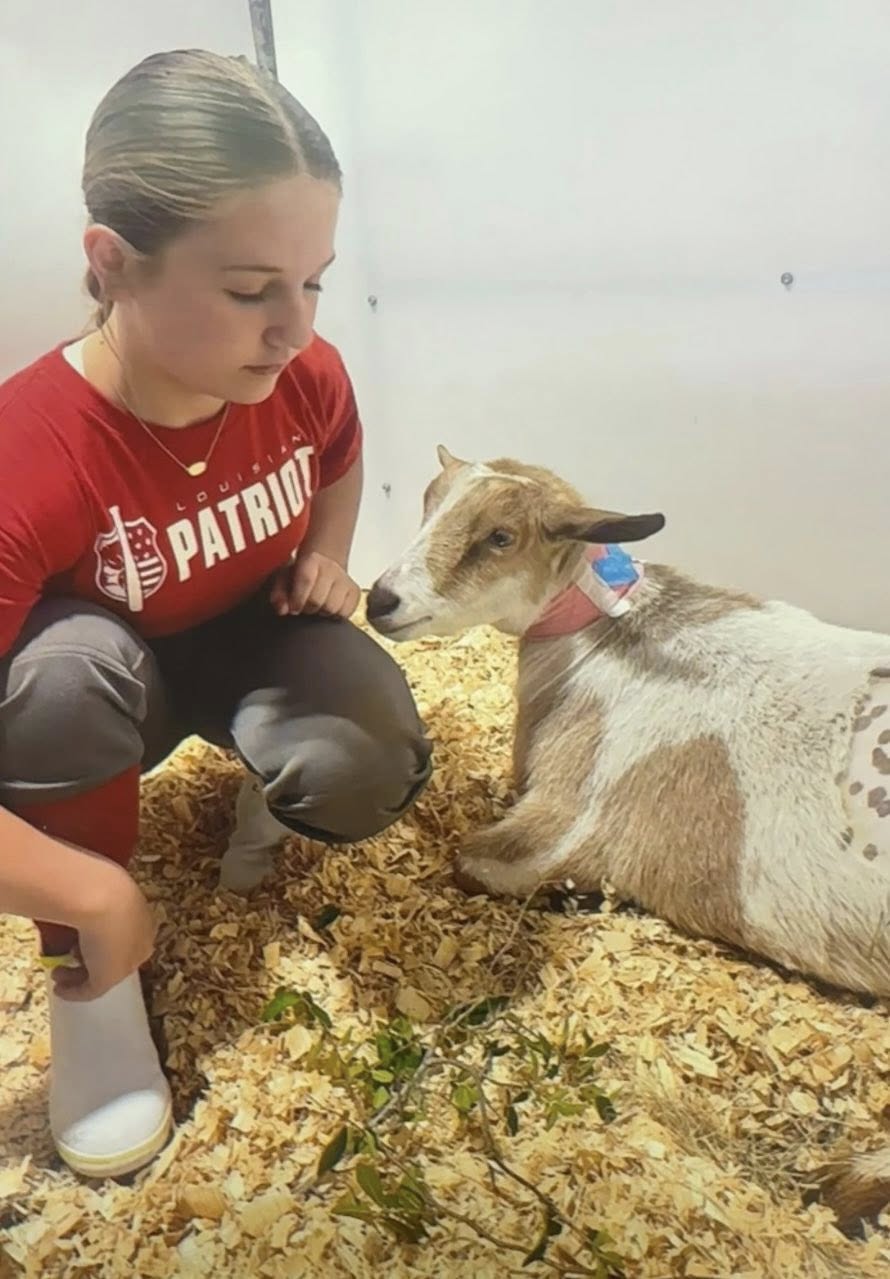
Firecracker with her owner
Firecracker, the goat, came to LSU Vet Med’s large animal emergency service in April suffering from goat ketosis or pregnancy toxemia, a condition most often affecting female goats in the last few weeks of pregnancy. It can be extremely dangerous for both the goat and the kids she’s carrying.
Dr. Clare Scully, assistant professor of food animal health maintenance, performed a cesarean section as it was Firecracker’s best chance at survival. To everyone’s delight, Firecracker gave birth to three healthy bucklings. Firecracker and her offspring are back home with their loving owners, healthy and safe.
“A lot of times you lose the babies, sometimes you lose the mom, very often you lose both which is why we are very happy they are all doing well,” Dr. Scully said.
Joe Theismann
Joe Theismann
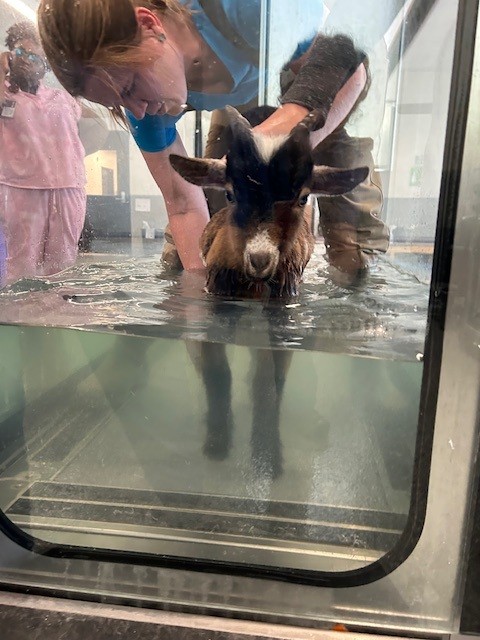
Joe Theismann, the goat, came into LSU Vet Med’s Food Animal service in April with a fractured tibia. He was struggling to walk. Joe was first treated by Dr. Clare Scully, associate professor of food animal maintenance. Surgery on Joe’s tibia was performed by Dr. Charles McCauley, associate professor of equine surgery. Next, Joe received rehabilitation from LSU’s Integrative Medicine service with Dr. Kielyn Scott, assistant professor of integrative medicine. After rehabilitation with underwater treadmill sessions by veterinary technician Jennifer Bridges and at-home physical therapy, Joe Theismann was finally able to run, jump, and take on goats bigger than him again, his owner said.
Hawk
Hawk
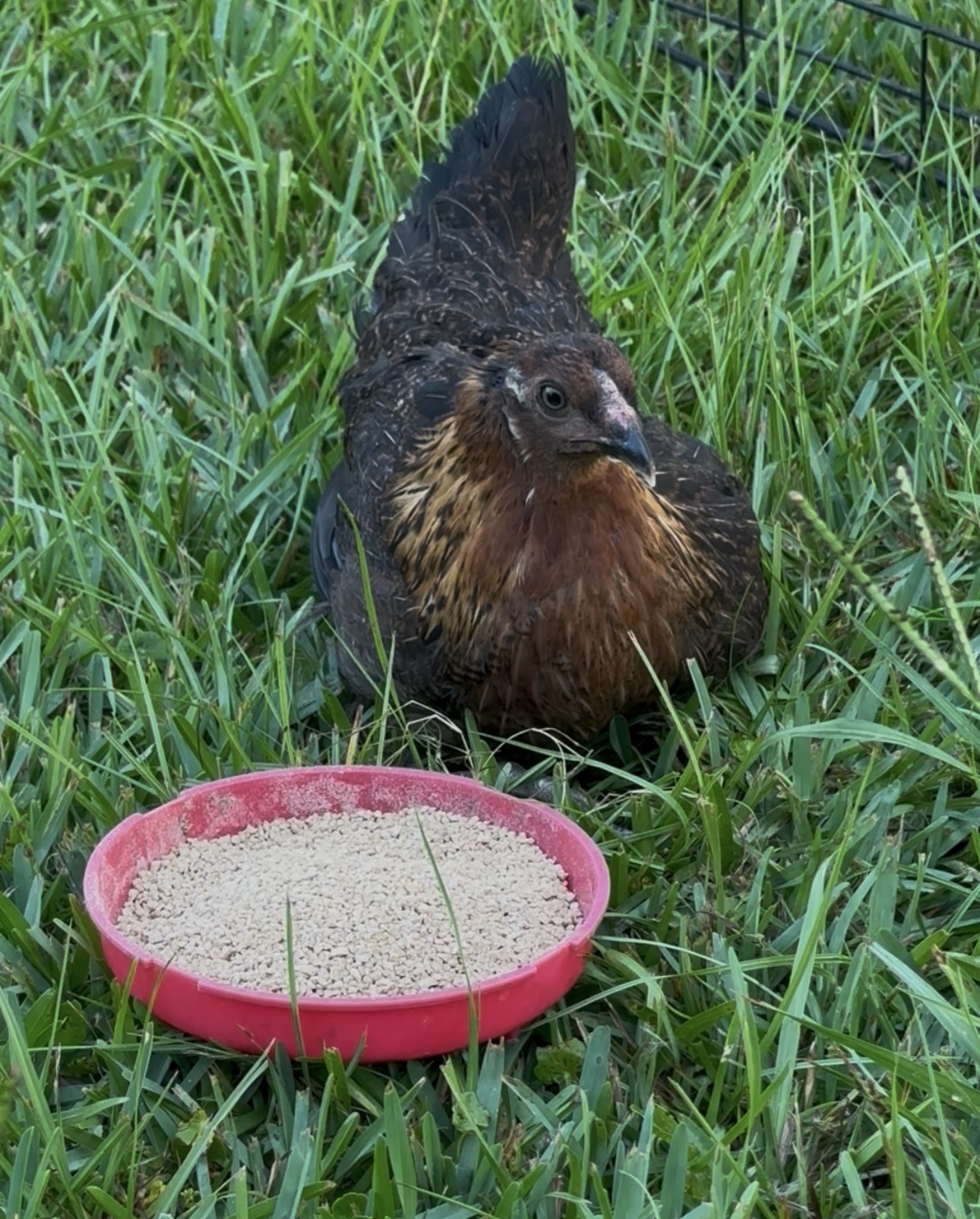
Hawk, the chicken, was only 10 months old when her owner Dr. Melissa Blazevich, assistant professor of veterinary dentistry and oral surgery, brought her into the Exotics service at LSU Vet Med. Hawk was unable to walk, losing balance often. Eventually, she was completely paralyzed. Both the Exotics and Neurology teams decided that Hawk’s best chance was acupuncture treatment, in addition to other medical therapies. After two acupuncture treatments by Dr. Kielyn Scott, assistant professor of integrative medicine, Hawk began recovering quickly. After just one week, Hawk was able to walk again and was even perching in the coop.
“She now has made a total recovery and is a normal, happy chicken,” Dr. Blazevich said. “What a blessing it is to have so many smart minds to work with and to have the ability to consult with so many services at LSU.”
Bug Mushroom
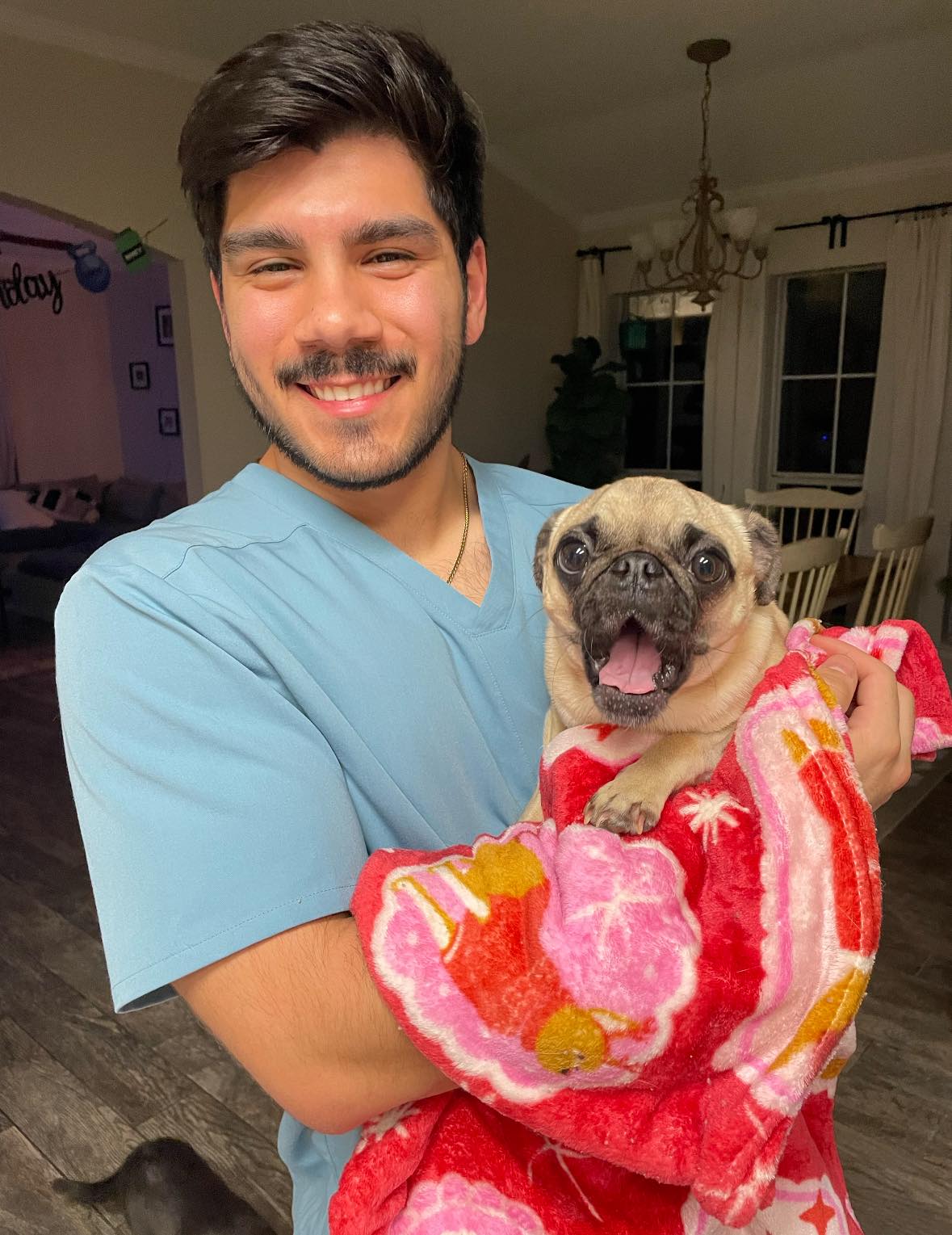
Veterinary student Yan Zermeno holding Bug Mushroom
Bug Mushroom, a 2-year-old pug, was found along a roadside unable to walk in a rural area north of Shreveport. Ninna’s Road to Rescue brought her to Benton Animal Hospital, where Dr. Susan St. Pierre identified severe spinal malformation. Dr. St. Pierre referred Bug to LSU Vet Med Neurology service, where clinicians formulated a complex surgical plan complicated by the high risk of placing even the smallest implants into a narrow corridor within the 9 lb. dog’s spinal bones. There was a risk that the implants could puncture the lungs, the spinal cord, or result in significant life-threatening hemorrhage if not performed with absolute precision, according to Dr. Colleen Embersics, who performed Bug’s surgery. The benefits and risks of this procedure were explained to the rescue, and they immediately approved surgery to give Bug a chance to walk again.
Surgery was successful, and Bug is expected to move closer to walking over the next 4-6 weeks. House Officer Camryn Davis, pictured with a flyer she created, described how people can help support Bug. Yan Zermeno, fourth-year student, took Bug home as a medical foster and adopted Bug this year. He said she tries to use her back legs more each day and is the perfect patient.